THE ESSENTIALS
- Exercise can support osteoarthritis management.
- Build strength and fitness with an individual starting point.
- Measure progress in daily tasks as well as exercise sessions.
Pain does not mean your only option is rest
Osteoarthritis can cause joint pain and stiffness, often affecting everyday tasks such as stairs, walking or getting out of a chair. It does not inevitably worsen at the same rate in everyone. A diagnosis should lead to a practical management plan, not an instruction to stop using your body.
If a joint becomes suddenly very painful, hot or swollen, do not assume it is an ordinary arthritis flare. New symptoms may need a different assessment. The advice in this guide is for routine management after a diagnosis, not for an acute injury or possible joint infection.
Strength and general fitness work together
Exercise is an important part of osteoarthritis care. A programme commonly includes strengthening the muscles around affected joints and activity for general fitness. The best choice depends on which joints are involved, your ability and other health conditions.
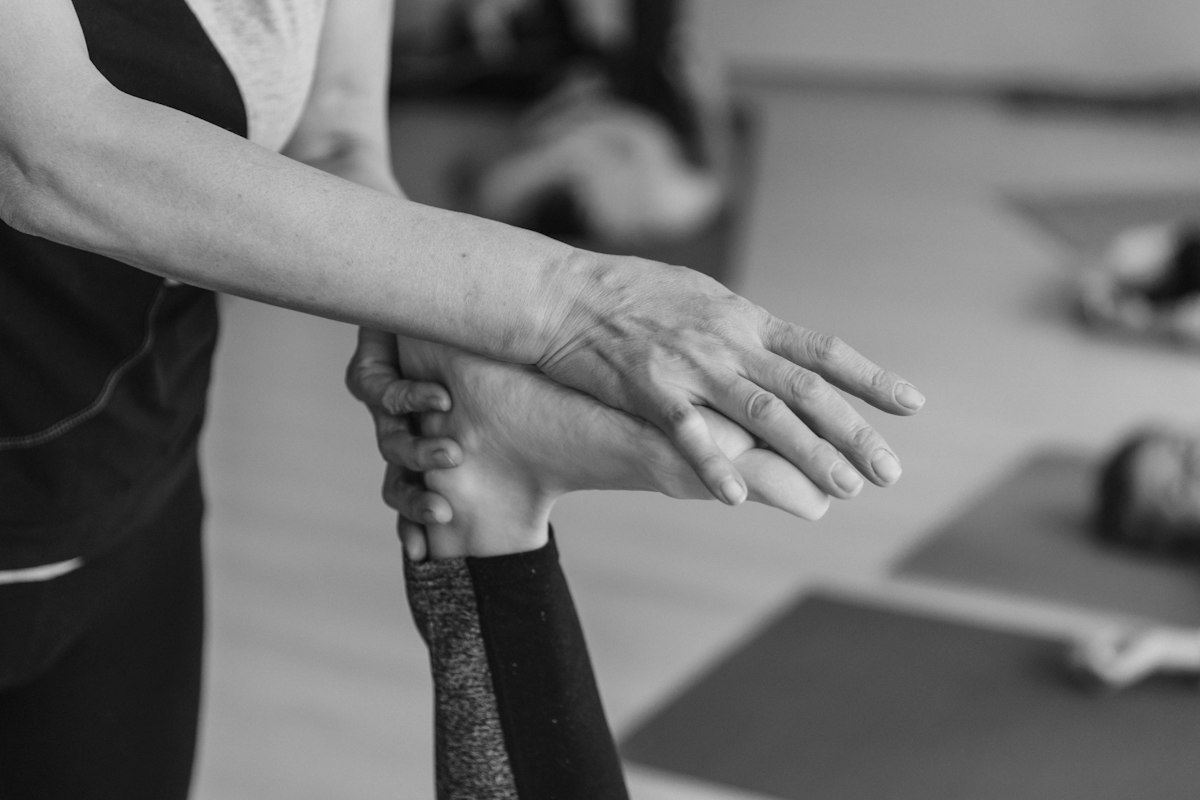
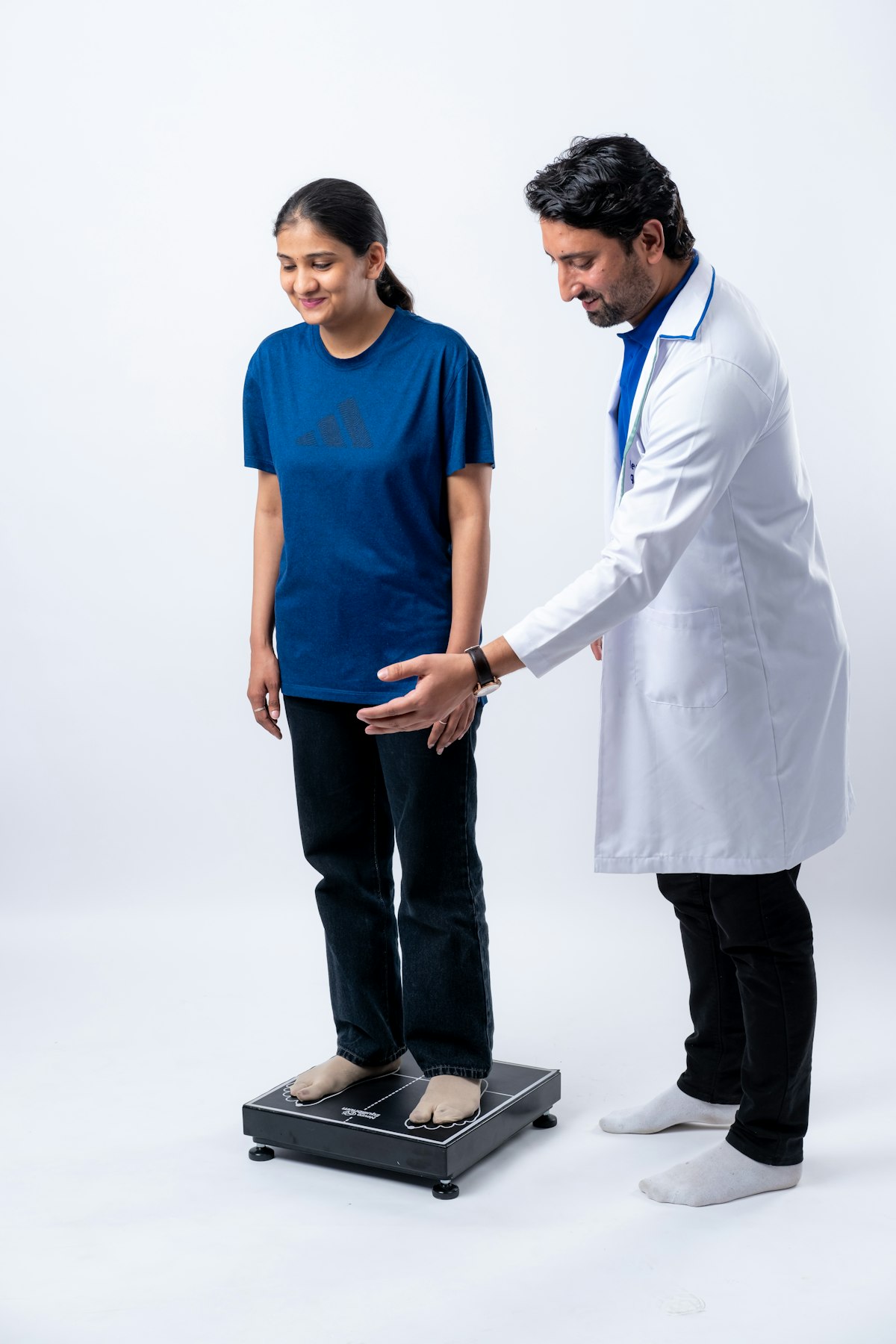
A physiotherapist can adapt movements such as getting up from a chair or stepping to suit you. The same exercise can be made easier by adjusting support, movement range or resistance. There is no need to begin with deep squats or a demanding online challenge to make the session worthwhile.
Progress gradually. A plan that is much harder than your current capacity may lead to a flare and make consistency difficult. Record how the joint feels during activity and later that day or the next morning, then use that information with your clinician to adjust the plan.
Make daily tasks less demanding
Break up long tasks, use appropriate supports when recommended and think about the activities that matter most to you. Carrying shopping, climbing a flight of stairs or being able to walk with family can be more meaningful goals than an arbitrary gym target.
If weight management is appropriate, gradual changes may reduce the load on weight-bearing joints. Avoid assuming that every joint problem is caused by weight, or that you must lose weight before you are allowed to move. Supportive movement and nourishment can begin within your current circumstances.
Use treatment and review wisely
Pain relief, other supportive therapies and occasionally surgery may be considered alongside exercise. Ask what a medicine is intended to do and how to use it safely, especially if you also have kidney, heart or stomach problems. Check supplements for interactions instead of assuming they are harmless.
Bring specific examples to a review: how far you can walk, which movement is difficult and whether the current plan improves daily function. If an exercise repeatedly worsens symptoms, ask for an adaptation. Good coaching makes the task manageable and measurable; it does not promise to regrow cartilage or demand that you ignore significant pain.
KNOW WHEN TO GET HELP
When self-care isn’t enough
- Sudden severe joint pain with swelling, warmth, fever or inability to bear weight needs urgent assessment.
- A new injury, locking joint or rapidly worsening function should be assessed before progressing exercise.
For a medical emergency, contact local emergency services immediately. Do not wait for an online response.
Sources & further reading
These sources inform this educational guide. They do not imply endorsement or clinical review of Knowledge Your Health.