THE ESSENTIALS
- Match exercise to medicines and complications.
- Plan for glucose changes during and after activity.
- Use records to improve the plan with your diabetes team.
Start with a personal safety plan
Physical activity is an important part of diabetes care, but two people with diabetes can need very different precautions. Medicines, glucose levels, foot health, vision, kidney disease and heart health all matter. Ask your diabetes team which activities and monitoring approach fit your situation.
Before a new routine, clarify what to do if glucose is low or high, when you should postpone exercise and whether your medicines create a risk of hypoglycaemia. Do not independently skip medicine or change an insulin dose based on a general fitness article.
Choose a manageable first activity
CDC guidance suggests starting gradually; a short walk or suitable strength and stability work can be a beginning. Choose a predictable route or exercise setting so you can learn how your body responds. A familiar level walk may be easier to assess than an intense group class.
If you have neuropathy, a foot wound, significant eye disease or other complications, some activities may need modification or supervision. Supportive footwear and regular attention to your feet matter. A wound that feels painless still needs care; reduced sensation can hide an injury.
Understand delayed low glucose
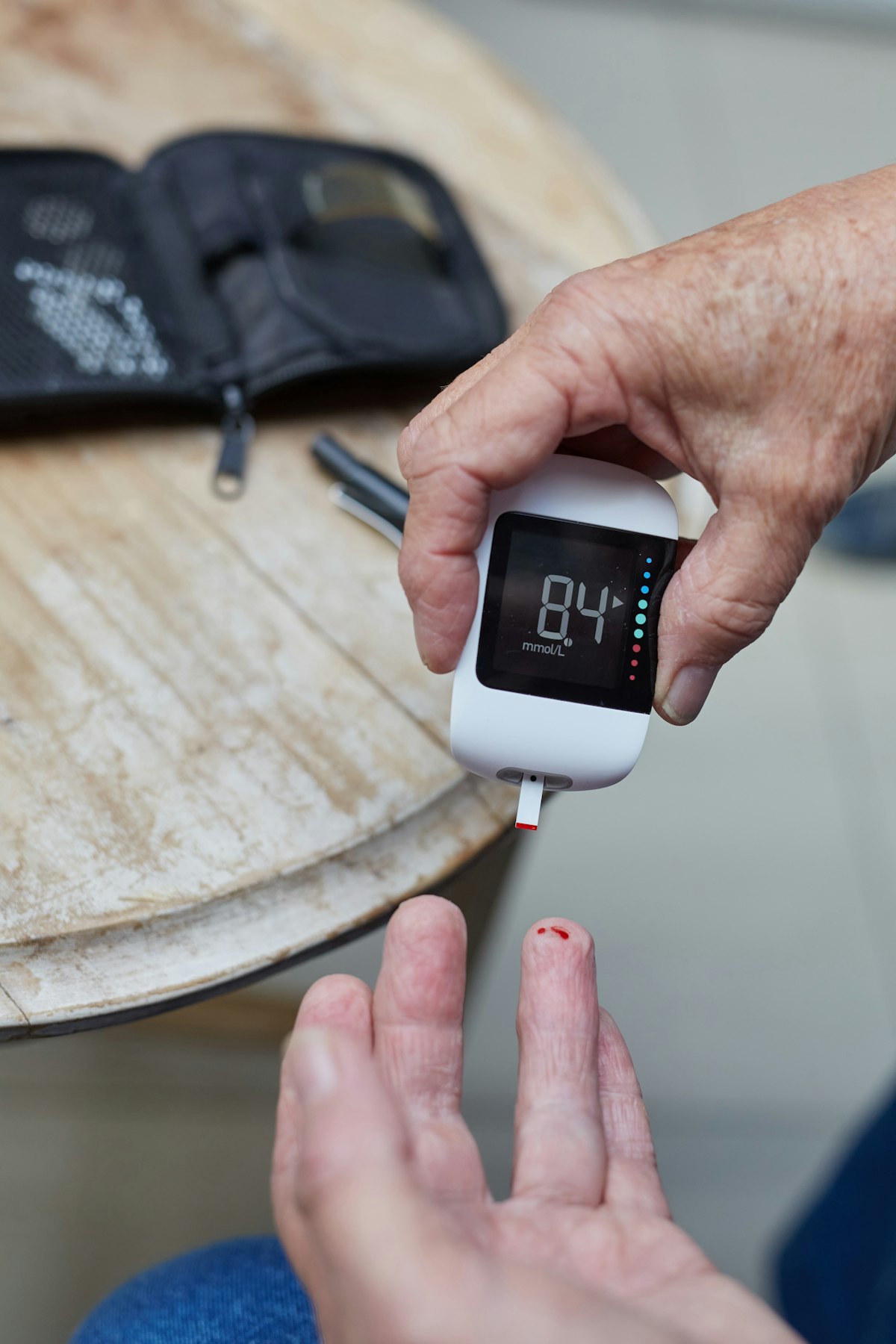
Activity can lower blood glucose during exercise and afterwards. The risk is particularly relevant for people using insulin or medicines such as sulfonylureas. Your team may advise checks before, during and after activity, and an individual carbohydrate or medicine plan.
Carry the treatment your team recommends for a low, identification and a means of contacting help. Tell an exercise companion what to do if you become confused or unwell. Do not treat shaking, sweating or dizziness as proof of an effective workout. Stop, check glucose when possible and follow your agreed low-glucose plan.
Keep a useful activity record
Record the type of movement, its timing relative to meals and medicine, glucose readings if advised and any symptoms. This can help your care team identify patterns and adjust the plan. It is more informative than judging a session only by calories or steps.
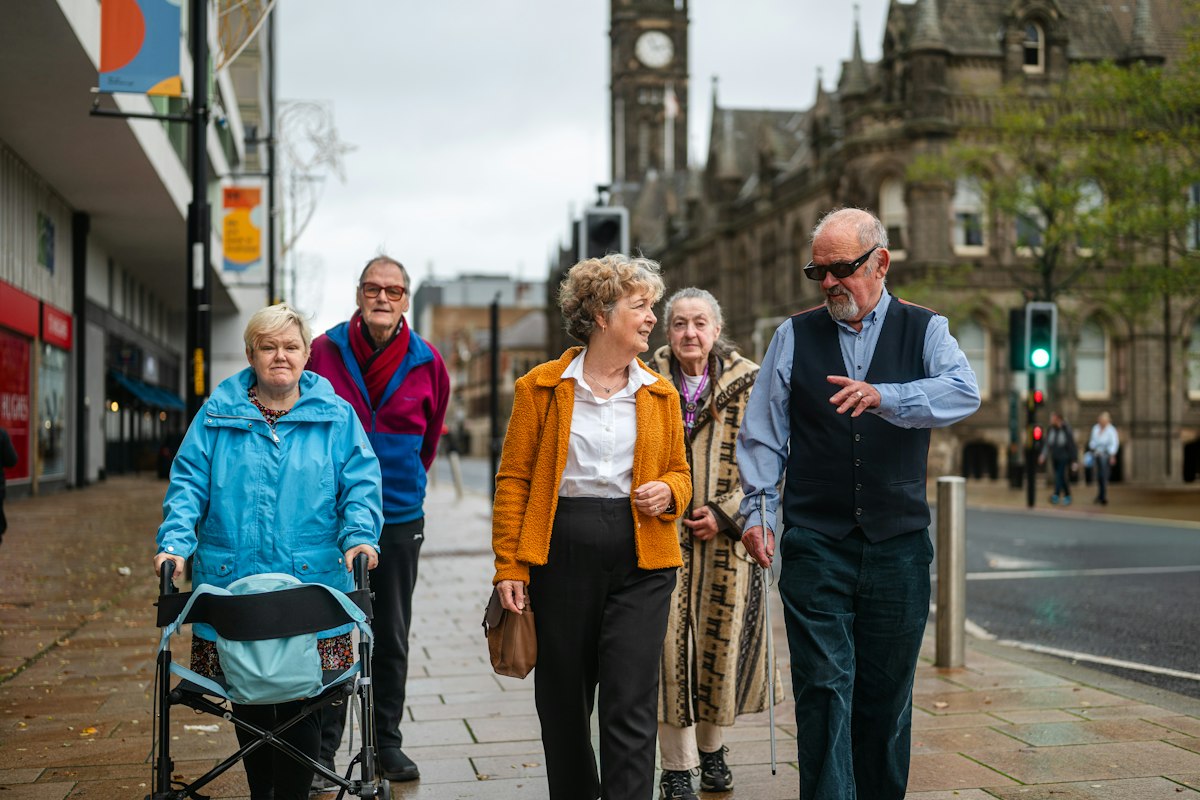
Build a routine around activities you enjoy and can sustain. You might walk with a neighbour, practise a short strength session at home or use supervised exercise. Hydration advice may need adapting if you have kidney or heart disease.
Fitness improves through repeated manageable activity, not through ignoring warnings. Severe hypoglycaemia, confusion, collapse or an inability to swallow requires urgent help. Do not give food or drink to someone who is unconscious.
For a new class, speak to the instructor beforehand about the accommodations you need. You do not have to disclose every detail publicly; a private conversation can establish how to pause, access your supplies and ask for help.
KNOW WHEN TO GET HELP
When self-care isn’t enough
- Confusion, collapse or severe low-glucose symptoms require urgent help.
- Stop exercise and seek advice for a new foot wound or concerning high-glucose symptoms.
For a medical emergency, contact local emergency services immediately. Do not wait for an online response.
Sources & further reading
These sources inform this educational guide. They do not imply endorsement or clinical review of Knowledge Your Health.