THE ESSENTIALS
- Track follow-up care, not just glucose numbers.
- Plan for low glucose if your medicines can cause it.
- Remission is possible for some people, but monitoring continues.
Understand the job of your care plan
In type 2 diabetes, insulin does not work as effectively as it should or the body does not make enough of it. Glucose can then remain too high in the blood. Management is not simply a test of willpower: medicines, daily habits, other illnesses and individual circumstances all influence the plan.
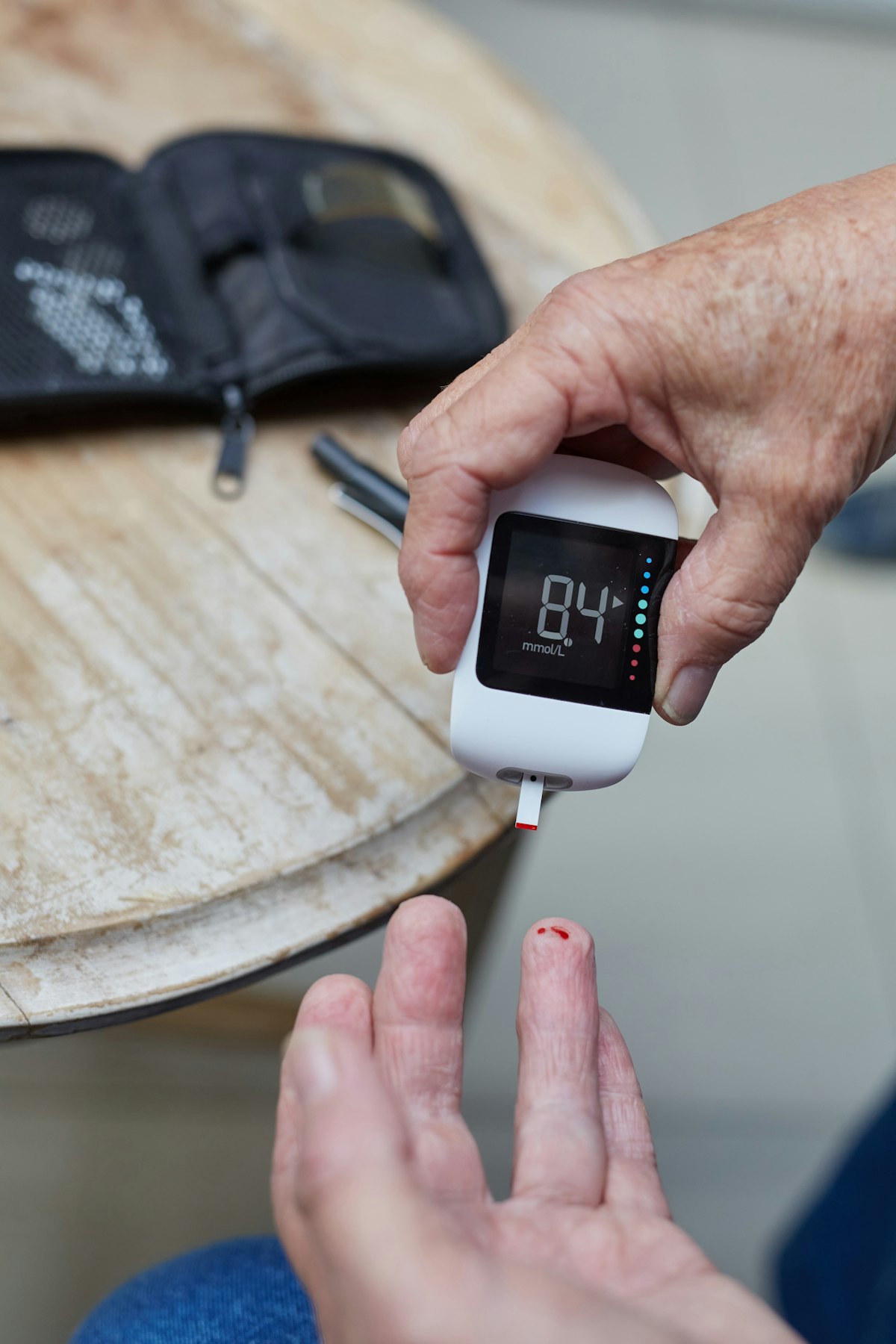
Ask your diabetes team which results you are tracking and why. Your longer-term glucose measure, blood pressure, kidney checks, eye screening and foot assessment each answer a different question. Feeling well does not remove the need for follow-up.
Make everyday meals workable
A balanced eating pattern can include vegetables, whole fruit, pulses and wholegrains. You do not need a shelf of special diabetes foods. For an Indian meal, discuss portions of rice or roti alongside vegetables and a suitable protein source, rather than treating one staple as the entire problem.
Start with one repeatable change, such as replacing a routinely sweetened drink or planning a balanced lunch before a busy shift. Very restrictive diets or fasting can be unsafe with some diabetes medicines. Ask your care team before making a major dietary change; do not stop medicines because a few readings improve.
Move with a safety plan
Regular activity supports diabetes management. If you have been inactive, begin with an amount you can comfortably repeat and build gradually towards the activity target agreed with your clinician. Walking, cycling and appropriately adapted strength work can all have a place.
Insulin and some tablets can cause low glucose, especially when meals or activity change. Ask when to check glucose, what to carry and how to treat a low. Keep your prescribed hypo treatment accessible during activity. Shaking, sweating, dizziness or confusion is a reason to stop and follow that plan, not to push through the workout.
Foot ulcers, reduced sensation, eye complications or heart disease may change which exercises are appropriate. Check footwear and ask your team about adaptations. A generic online programme cannot account for these complications.
Choose consistency over promises
Some people achieve remission, but it is not guaranteed and it does not mean the condition can never return. Continue the monitoring your team recommends. Supplements marketed as a natural replacement for treatment should not displace prescribed care.
For a useful weekly review, note what was manageable, what caused difficulty and what support you need. Your next step could be a shorter walk you actually complete, a medication review for side effects, or a dietitian appointment. Sustainable care should fit your life while protecting your long-term health.
KNOW WHEN TO GET HELP
When self-care isn’t enough
- Severe confusion, unconsciousness or a seizure requires emergency help; never give food or drink to someone who cannot swallow safely.
- Vomiting, marked dehydration, unusual drowsiness or breathing changes with high glucose needs urgent assessment.
- Report foot wounds, infection or new vision changes promptly.
For a medical emergency, contact local emergency services immediately. Do not wait for an online response.
Sources & further reading
These sources inform this educational guide. They do not imply endorsement or clinical review of Knowledge Your Health.