THE ESSENTIALS
- High blood pressure is usually silent.
- Use repeated readings and an individual treatment target.
- Build activity gradually and avoid breath-holding under load.
Do not wait for symptoms
High blood pressure often causes no symptoms. A headache is not a reliable gauge, and feeling calm or physically fit does not prove that your pressure is healthy. Repeated, properly taken measurements help your clinician decide whether there is a persistent problem.
Blood pressure is written as two numbers: pressure when the heart beats and pressure between beats. Diagnostic thresholds and treatment targets can differ according to the guideline, where readings are taken and your medical history. Ask what target applies to you rather than comparing isolated numbers with a friend.
Make the reading useful
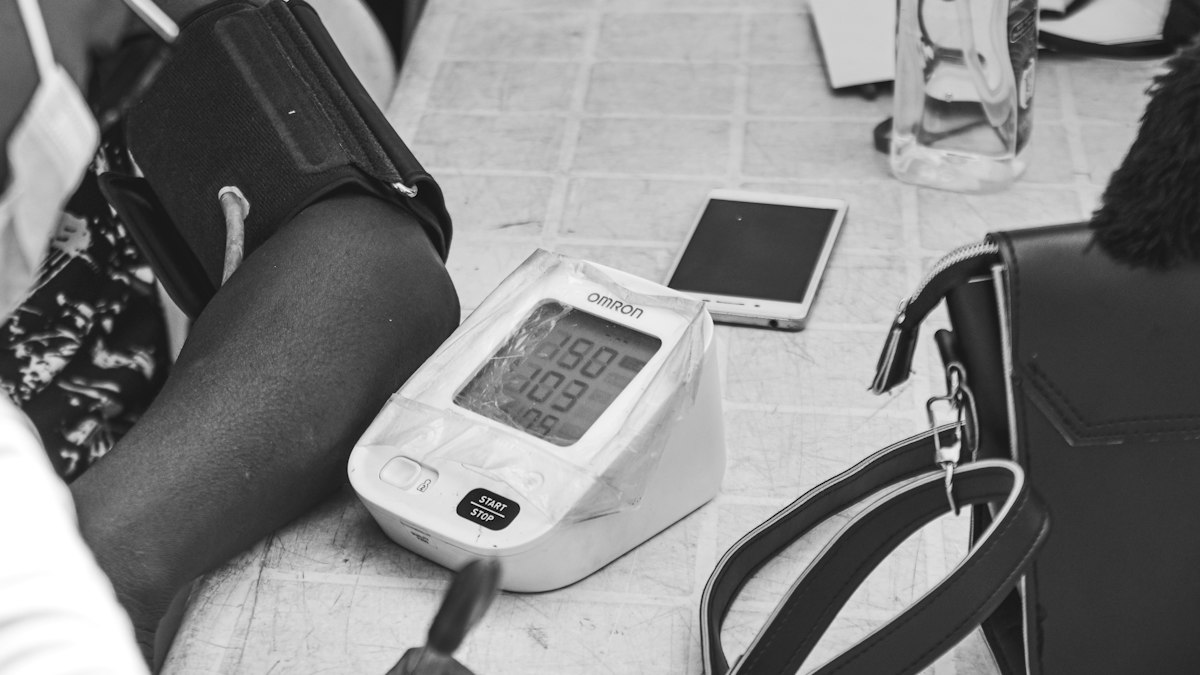
If your clinician recommends home monitoring, ask them to check your device, cuff size and technique. Keep a record with dates and times, and bring the actual readings to your review. Do not repeatedly measure until you obtain a number you prefer, or adjust medication based on an isolated result.
Use the log to support a discussion: are readings consistently higher at a particular time, have doses been missed, or are there side effects? A pharmacist can also review over-the-counter products and supplements. The goal is a dependable picture, not a competition for the lowest reading.
Build an activity habit gradually
Regular aerobic activity can help manage blood pressure. A common longer-term goal is at least 150 minutes of moderate activity per week, but it is a destination to work towards, not a mandatory starting dose for every person. Choose an activity that fits your current ability and health status.
Warm up, slow down gradually afterwards and breathe continuously. Holding your breath while straining can raise blood pressure. If you are new to training, have uncontrolled readings or have heart or kidney disease, discuss suitable intensity and resistance exercise with your clinician before following a demanding programme.
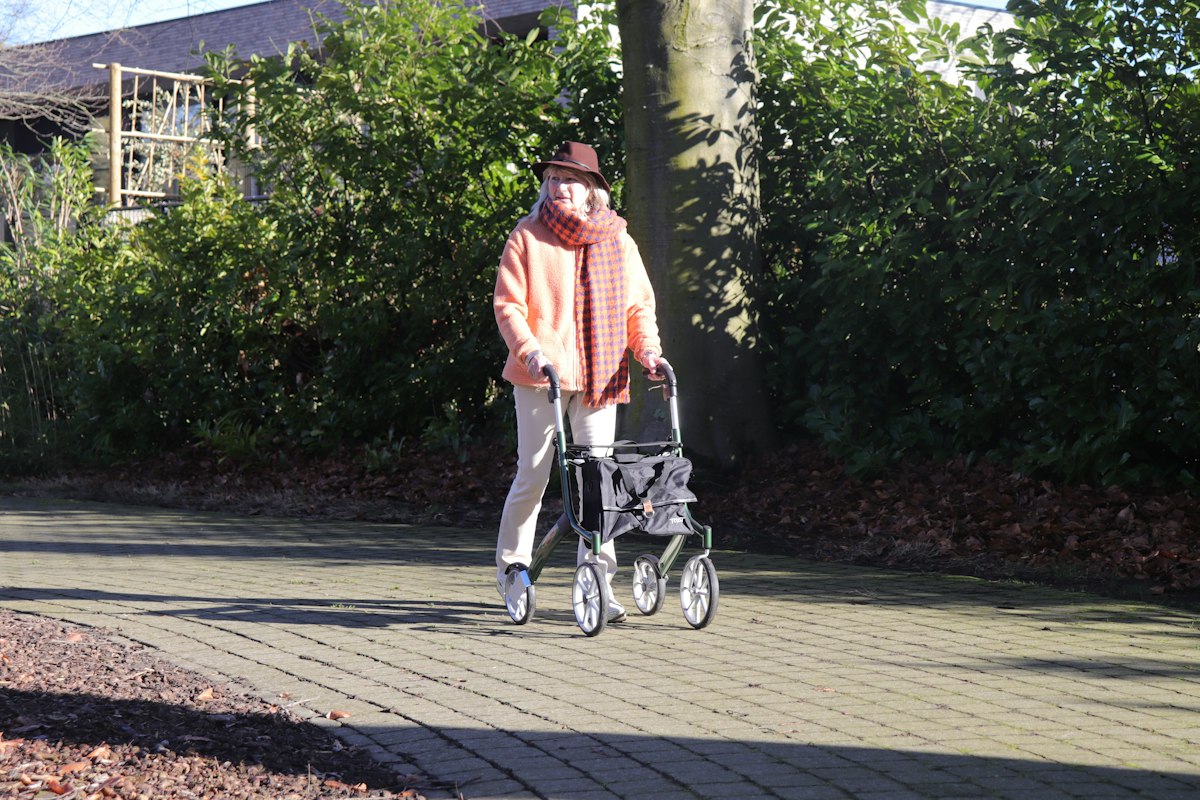
One practical starting point is to schedule short, manageable walking opportunities on several days. Keep the effort comfortable enough to speak, and stop for chest symptoms, unusual breathlessness or dizziness. Success is a repeatable routine, not the heaviest weight you can lift.
Treat lifestyle and medicines as partners
Food choices, less salt, not smoking and appropriate weight management can support treatment. A lower-salt meal pattern involves the whole day, including packaged snacks, sauces and restaurant food, not only the salt added at the table.
Keep taking prescribed treatment unless your clinician changes it. If you develop side effects, ask for a review rather than silently stopping. Bring your readings and a short list of concerns; this makes a medication discussion more useful than a general statement that the numbers are sometimes high.
KNOW WHEN TO GET HELP
When self-care isn’t enough
- Chest pain, severe breathlessness, new weakness, speech difficulty or a sudden vision change needs emergency assessment.
- If a reading is higher than 180 systolic and/or 120 diastolic, repeat after a minute if you have no emergency symptoms; if still very high, contact a clinician immediately. With concerning symptoms, seek emergency help without waiting.
For a medical emergency, contact local emergency services immediately. Do not wait for an online response.
Sources & further reading
These sources inform this educational guide. They do not imply endorsement or clinical review of Knowledge Your Health.