THE ESSENTIALS
- Recurring walking pain warrants assessment.
- PAD care protects more than your legs.
- Use structured exercise guidance and report foot wounds early.
Notice the pattern
Peripheral arterial disease, or PAD, can reduce blood supply to the leg muscles. One possible sign is a recurring ache brought on by walking that improves after resting. Some people have few obvious symptoms. A change in walking ability should not automatically be dismissed as age or poor fitness.
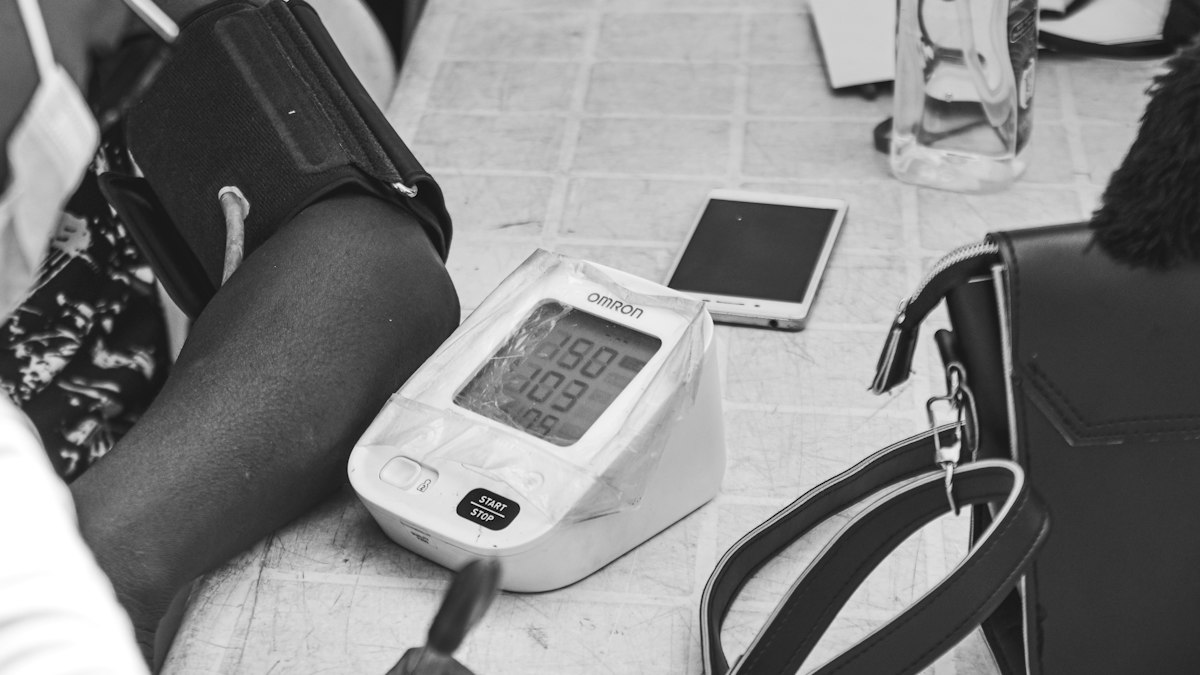
A clinician can examine your legs and may compare blood pressure at the ankle with pressure in the arm. Other problems can also cause leg pain, so the pattern is a reason to seek assessment rather than diagnose yourself. Note the distance or activity that triggers symptoms and whether the problem affects one or both legs.
Think beyond the legs
PAD is linked to atherosclerosis, the build-up of deposits in arteries. The same underlying process may affect the heart and brain. Smoking, diabetes, high blood pressure and high cholesterol are therefore important parts of the conversation, even if the symptom you notice is in your calf.
Treatment may combine risk-factor management, prescribed medicines and structured exercise. Some people need procedures to improve blood flow. A circulation supplement or massage is not a substitute for investigating a narrowed artery. Ask your clinician what the diagnosis means for your wider cardiovascular risk.
Use a prescribed walking programme
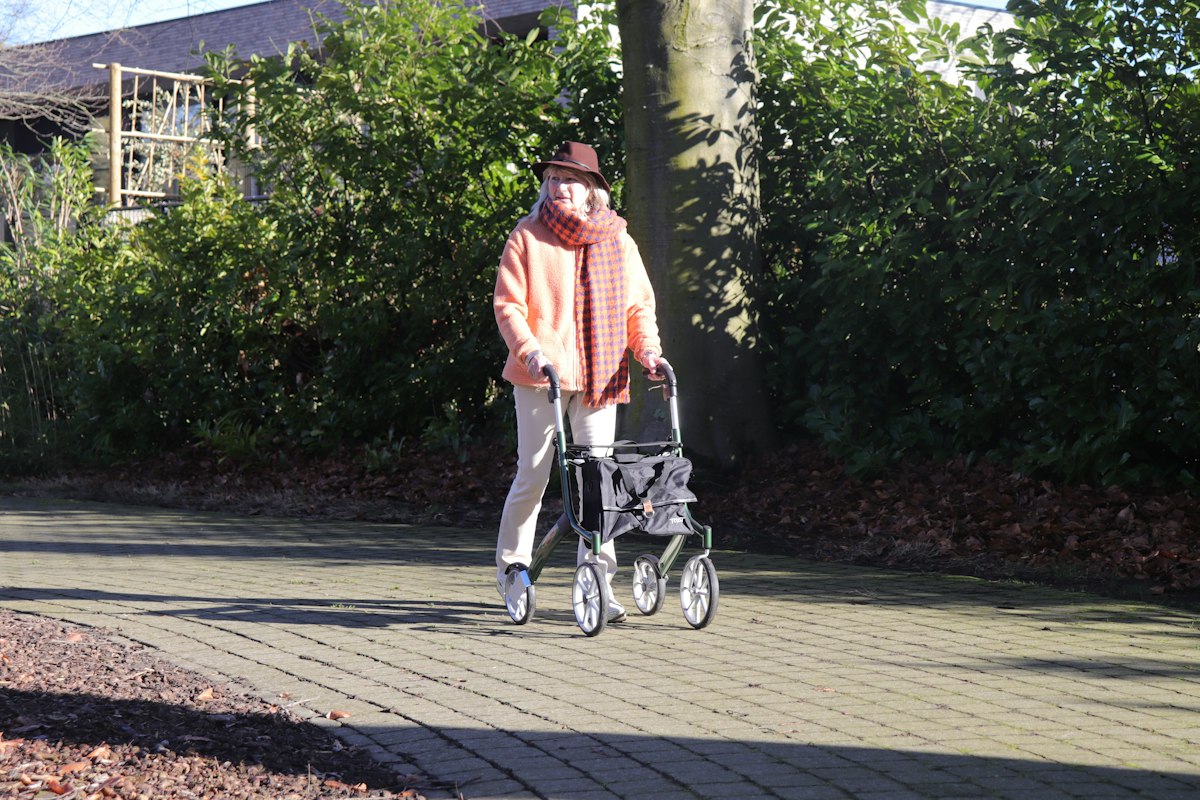
Structured, often supervised walking is an established part of PAD care. The programme may involve repeated walking and rest periods, with the amount of discomfort and progression specified by the supervising team. Do not copy a general instruction to push through pain before the cause of your symptoms is known.
Ask where you can access a supervised programme and what to do on days when symptoms differ from usual. Choose a safe surface, suitable footwear and a route with places to stop. Keep a brief record of your sessions so the care team can assess whether walking capacity is improving.
New pain at rest, a wound that will not heal, sudden numbness or a cold foot changes the situation. These are not signs that the workout is finally working. They need medical attention.
Make foot care part of the routine
Look at your feet regularly, especially if you also have diabetes or reduced sensation. Report skin breaks or non-healing areas rather than continuing to load them. Discuss footwear and foot care with the relevant clinician; do not attempt to cut away a concerning lesion yourself.
At your next review, ask which symptoms should trigger same-day help, how your medicines reduce risk and how your walking programme will progress. The useful measure is safer function and better management of cardiovascular risk, not a promise to unclog arteries with one food, exercise or product.
KNOW WHEN TO GET HELP
When self-care isn’t enough
- Sudden severe leg pain, coldness, numbness or marked colour change needs emergency assessment.
- Pain at rest or a non-healing foot wound needs urgent medical review.
For a medical emergency, contact local emergency services immediately. Do not wait for an online response.
Sources & further reading
These sources inform this educational guide. They do not imply endorsement or clinical review of Knowledge Your Health.