THE ESSENTIALS
- Make your source of B12 explicit; unfortified plant foods are unreliable.
- Check the label and actual portion, especially when changing brands.
- Symptoms or absorption problems require assessment, not a guessed dose.
B12 needs a deliberate place in the diet
Vitamin B12 supports healthy nerves and blood cells. Unfortified plant foods are not a dependable source. A vegan diet can be varied and nourishing, but eating more vegetables, pulses or nuts does not by itself solve the B12 question. Reliable fortified foods or a suitable supplement need to be part of the plan.
This is a nutrient-planning issue, not a judgement about vegan eating. You can keep familiar meals while making the source of B12 explicit. Start by asking: which product supplies it, how much does a serving contain, and how often do I actually have it?
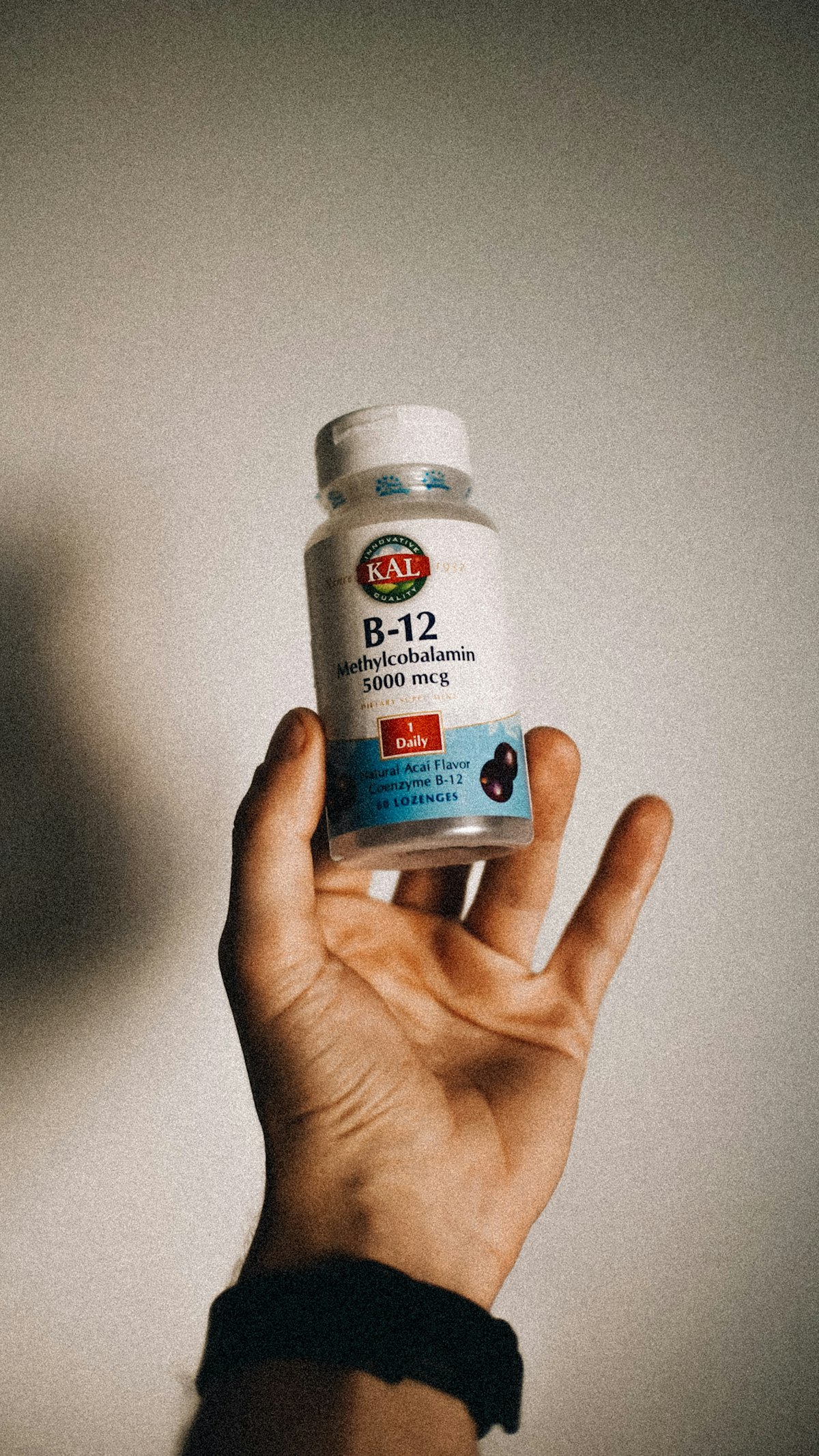
Read the label on the product you buy
The NHS identifies fortified foods and supplements as useful parts of vegan nutrition. Some breakfast cereals, yeast products and plant-based drinks contain added B12, but fortification varies. Check the nutrient panel rather than assuming that every soy drink or nutritional yeast contains it.
Compare the stated serving with your real portion. If a label lists nutrients per 100 millilitres, a small splash in tea is not the same as a full glass. Keep a photograph of the label for a dietitian or pharmacist if you are uncertain. Recheck when switching brands; a similar-looking carton may have different fortification.
Prevention and treatment are different jobs
A routine B12 plan aims to prevent low intake. Treatment of established deficiency depends on its cause and whether neurological symptoms are present. The NHS describes both tablets and injections in treatment pathways; it is not simply a choice between a cheap product and a premium one.
If you already have symptoms, ask for assessment rather than copying another person’s dose. Tell the clinician about all supplements you take and when you started them. A prescribed treatment schedule should not be replaced with occasional fortified food. Ask when treatment will be reviewed and what follow-up is needed.
Diet is not the only cause of low B12
Problems absorbing B12 can occur after certain stomach or intestinal operations or with some digestive conditions. Some medicines, including metformin and acid-suppressing medicines, can also affect B12 status. Do not discontinue a useful medicine; discuss whether your history warrants testing.
Deficiency can develop slowly because the body stores B12. Feeling well after changing your diet does not prove that your long-term intake is adequate. Conversely, tiredness has many possible causes, so fatigue alone is not a diagnosis of B12 deficiency.
Keep the whole diet in view
B12 is one part of vegan nutrition. The NHS also highlights attention to nutrients including calcium, iodine and vitamin D. Keep a varied pattern with pulses or other protein foods, starchy foods, vegetables, fruit and suitable fortified alternatives rather than allowing supplements to replace meals.
Pregnancy, breastfeeding and feeding children need specific nutrition advice. An adult supplement routine should not be assumed suitable for a baby or child. For your next appointment, bring a short food record, product labels and a list of symptoms or medicines. That makes it easier to build a plan around what you actually eat.
KNOW WHEN TO GET HELP
When self-care isn’t enough
- Arrange prompt medical assessment for persistent tingling, numbness, balance problems or unexplained fatigue.
- Sudden weakness, speech difficulty or acute confusion needs emergency assessment; do not assume a vitamin deficiency.
For a medical emergency, contact local emergency services immediately. Do not wait for an online response.
Sources & further reading
These sources inform this educational guide. They do not imply endorsement or clinical review of Knowledge Your Health.