THE ESSENTIALS
- The talk test is an approximate aerobic-effort guide, not a medical clearance test.
- Always identify the effort scale; different scales use numbers differently.
- Symptoms and clinician-set limits take priority over pulse targets or effort scores.
Start with the purpose of the check
Exercise intensity describes how hard an activity is for you. It is not a competition to produce the highest pulse, the biggest calorie estimate or the most breathlessness. A useful check helps you describe the effort and keep a session within the plan that is appropriate for you.
This guide is about everyday aerobic activity, such as walking or cycling. It does not set an individual training zone, clear someone with symptoms for exercise or replace monitoring prescribed in cardiac or pulmonary rehabilitation. If your clinician has given you specific limits or stop rules, those take priority.
Use conversation as a rough intensity guide
CDC describes a simple talk test: during moderate-intensity aerobic activity, a person can usually talk but not sing. During vigorous activity, only a few words may be possible before pausing for breath. These are approximate descriptions of effort, not a test of heart or lung health.
A familiar sentence can make your own observations easier to compare. For example, notice whether you can describe your route to a companion without repeatedly interrupting yourself to breathe. There is no special phrase to memorise or validated KYH pass score. Do not deliberately push until speech becomes difficult just to discover your limit.
Name the effort scale before using the number
On the general 0–10 effort scale described by CDC, sitting is 0 and the highest possible effort is 10; relative moderate effort is about 5–6 and vigorous effort begins around 7–8. These numbers describe that specific scale. They are not interchangeable with a different scale or with a target your rehabilitation team has assigned.
An effort number needs a label. “6 out of 10 on our agreed effort scale” is clearer than “my effort was 6.” Ask your trainer or healthcare professional which scale they are using and what range is appropriate for the particular session. Never interpret a lower number as automatic permission to add speed or resistance.
The same activity can feel different to different people
An activity name alone does not describe the demand on every person. CDC notes that a walk may be moderate for one person and vigorous for another, depending on fitness, comfort and health. The appropriate activity is the one suited to the individual’s abilities; introducing harder work calls for gradual progression.
Illustrative example: two friends follow the same level route. One can talk comfortably while the other must pause between short phrases. The route has not changed, but their experience differs. Agreeing a slower pace or taking a suitable pause is more useful than insisting that the same walking speed must be easy for both people.
Treat pulse numbers as part of the context
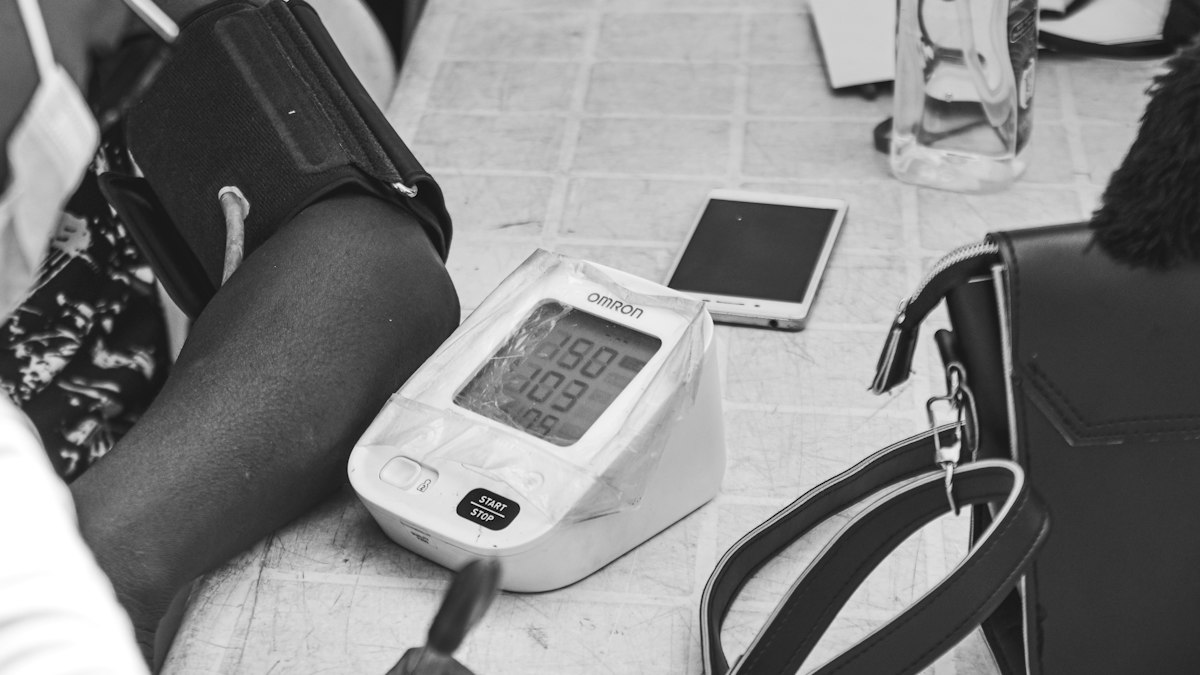
Some medicines change the heart-rate response to exercise. The American Heart Association explains that beta blockers slow the heartbeat and can alter an individual’s target heart rate. A healthcare professional can help establish an appropriate way to monitor effort; do not increase intensity to force the pulse into a generic target.
If you already have a personalised pulse range, ask how to use it alongside breathing, effort and symptoms. Do not stop or change medicine to improve a workout reading. A low or high number on its own does not supply the context needed to assess a person’s safety, and an online age-based target cannot do that assessment.
Symptoms outrank a comfortable-looking score
Stop activity and seek emergency help for chest pain, collapse, or severe breathlessness. NHS advice specifically treats palpitations with chest pain, shortness of breath, faintness or fainting as an urgent emergency pattern. An apparently ordinary effort score should not reassure you away from these symptoms.
Palpitations that keep returning, occur more often or last longer than a few minutes need medical review, particularly with a heart condition or family history of heart problems. If a worrying episode has stopped, it can still need urgent assessment. Record when it happened and the accompanying symptoms without attempting another workout to reproduce it.
Make a short, useful session note
For an otherwise appropriate session, a practical note might read: “Familiar flat route; conversation comfortable; effort described on the agreed scale; stopped at the planned point.” This is an editorial example of communicating effort, not a recommended pace, duration or workload. A score without the activity and context is less informative.
At the next discussion, ask what the session was intended to practise, how effort should feel and what would trigger an adjustment. Keep intensity, discomfort and symptoms as separate observations. You do not need to manufacture a higher number for the record. The aim is a shared understanding of the activity you actually did.
KNOW WHEN TO GET HELP
When self-care isn’t enough
- Stop and seek emergency help for chest pain, collapse or severe breathlessness, including palpitations with faintness.
- Recurrent or increasingly frequent palpitations need medical review; do not reproduce symptoms as a fitness test.
For a medical emergency, contact local emergency services immediately. Do not wait for an online response.
Sources & further reading
These sources inform this educational guide. They do not imply endorsement or clinical review of Knowledge Your Health.