THE ESSENTIALS
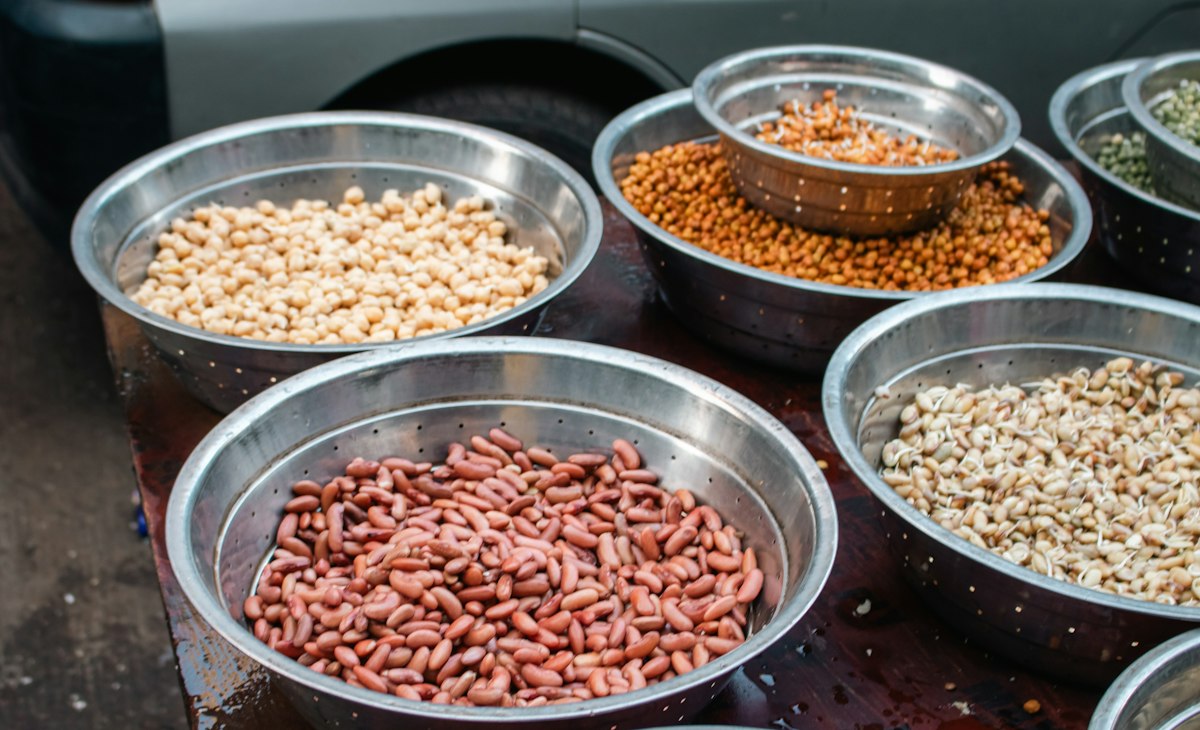
- Lentils, vegetables, whole grains and fruit provide several ways to include fibre in familiar meals.
- An adult population target of at least 25 grams refers to the fibre within foods.
- Increase fibre gradually and use your comfort and usual routine to choose a manageable portion.
Where fibre goes after a meal
Think about a bowl of dal and rice. The lentils bring fibre to the meal even when the rice is white. Add some green beans or a piece of fruit and you have introduced a second source. That is a useful starting point for understanding gut health because it lets you work with the food you ordinarily eat.
Dietary fibre is a part of plant foods that passes through the small intestine largely undigested. Fibre can help stool move through the bowel. In the large intestine, bacteria also break down some of the material that reaches them and produce gas in the process. Some gas after meals is common. How much you notice on a particular day tells you little by itself about which foods belong in your usual diet.
What does 25 grams of fibre look like?
The World Health Organization recommends that adults aim for at least 25 grams of naturally occurring dietary fibre each day. The grams refer to the fibre inside foods. A 25-gram piece of fruit, for example, weighs 25 grams in total and only part of that weight is fibre. If a label lists 3 grams of fibre for the portion you ate, those 3 grams are the number to count.
You can use the guideline without weighing everything. Think through yesterday’s meals and name where the fibre came from. You might recall dal at lunch, cauliflower at dinner and a pear on the way home. If breakfast was usually the meal with few plant foods, trying one addition there may be easier than redesigning lunch and dinner as well. These examples illustrate sources of fibre. An exact daily total depends on portions and recipes.
Three meals you can adapt
For a rice-based lunch, keep your familiar rice and bring a small serving of chana, rajma or dal alongside it. Another option is to stir cooked peas and carrots into the rice. If you already eat dal often, varying the accompanying vegetable is a practical way to bring in another plant food without cooking a different main dish.
For a quick breakfast, try porridge made from oats with pieces of fruit. If toast is your usual breakfast, a loaf made with whole-grain flour is one way to change the grain. Keeping your usual toast and taking an orange for later is another. Pick whichever suits the morning you actually have.
For a shared evening meal, put the extra food on the side so that each person can choose their portion. A bowl of cooked vegetables works with roti or noodles. A handful of frozen peas stirred into soup can serve the same purpose on a busy night. Fresh produce, frozen vegetables and plain canned pulses all give you options at different price points.
Give a change time to settle
Say that lentils have rarely featured in your meals and that a large bowl left you uncomfortable. A smaller spoonful alongside lunch gives you a gentler starting point. If that feels comfortable on another occasion, build up from there. Trying a large portion of beans, a bran cereal and a fibre supplement all on the same day also makes it difficult to tell which change suited you.
Drink water or other suitable fluids through the day as you increase fibre. The National Institute of Diabetes and Digestive and Kidney Diseases recommends making the increase gradually and explains that fluids help fibre work. If your care team has set a fluid allowance or given you a specific diet, follow that plan and ask how a change in fibre would fit.
How to tell whether the change fits your life
After a few ordinary meals, ask yourself two questions. Could you comfortably eat that portion again, and did preparing it fit your day? If a recipe took too long to make, canned beans or a fruit you can carry may be a better experiment. If you enjoyed a meal and it sat comfortably, repeating it is a perfectly reasonable next step.
Ongoing symptoms deserve their own conversation. If bloating begins suddenly, disrupts your day, or comes with pain or unintentional weight loss, speak with a healthcare professional. A short note of when the symptoms started and what changed can make that discussion easier. People who already receive care for a bowel condition can use that conversation to agree on choices that suit their individual needs.
KNOW WHEN TO GET HELP
When self-care isn’t enough
- Get medical advice about sudden or persistent changes in gas or bloating, especially with abdominal pain or unintended weight loss.
- If you have a prescribed eating or fluid plan, ask your care team before substantially changing it.
For a medical emergency, contact local emergency services immediately. Do not wait for an online response.
Sources & further reading
These sources inform this educational guide. They do not imply endorsement or clinical review of Knowledge Your Health.