THE ESSENTIALS
- Tell your clinician about early heart disease in close relatives, even if you feel well.
- Ask how your blood pressure, cholesterol and blood sugar fit together.
- Write down the action and follow-up date you agreed on.
A family story can start a useful conversation
Imagine that your father had a heart attack at 49. You feel well and walk to work. At a routine appointment, both pieces of information matter. Tell the clinician which relative was affected, what happened and roughly how old they were. If the details are uncertain, say what you know.
Family history is one part of the picture. Age, blood pressure, cholesterol, blood sugar, tobacco exposure and activity can also influence risk. A person can feel well while blood pressure or cholesterol is high. How easily you can climb the stairs cannot give you those numbers.
What the measurements tell you
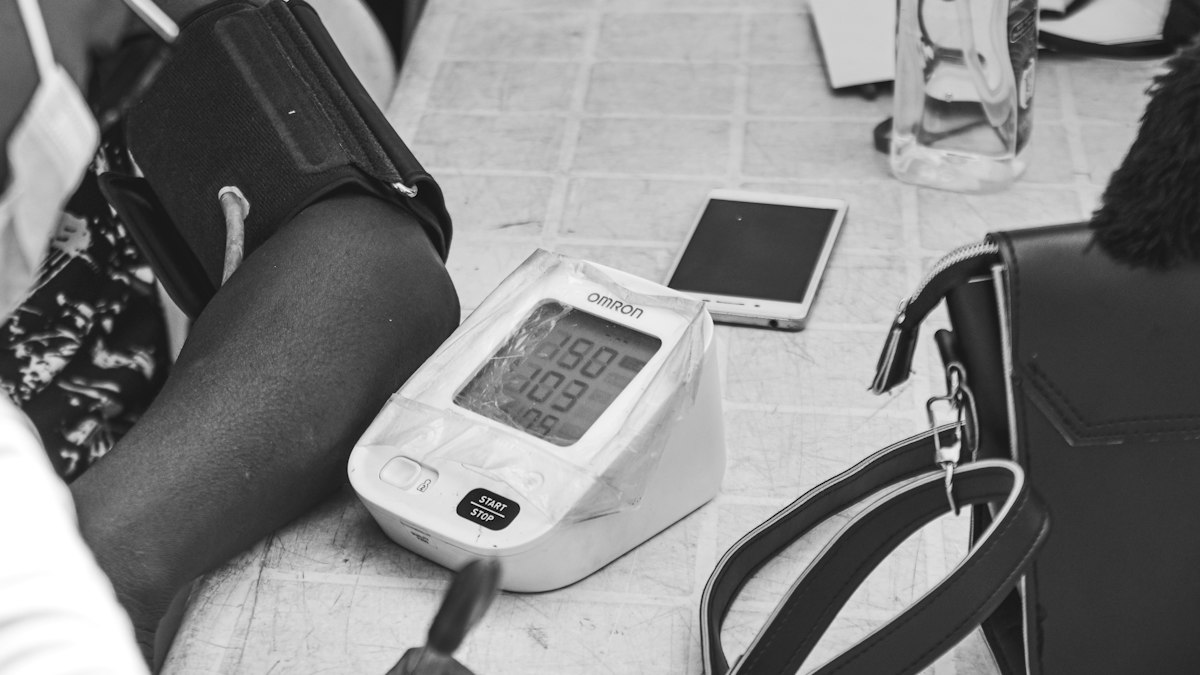
Blood pressure measures the force of blood against the arteries. A cholesterol test measures fats in the blood. A glucose test looks at blood sugar. Each answers a different question, so a result in the expected range on one test leaves the other questions open.
Take previous readings and a list of prescribed medicines to your appointment if you have them. Ask which checks make sense for your age and history, how the results fit together, and when to repeat them. If the clinician wants a home blood pressure record, ask them to demonstrate the technique and explain when to call about a reading.
Turn one risk factor into a manageable change
Start with something that happens often. If a salty packaged snack goes into your work bag every day, try packing a piece of fruit or unsalted nuts on one day you choose. If you use tobacco on your tea break, tell your clinician when the craving occurs and ask about quitting support. A plan has a better chance of fitting if it works on an ordinary workday.
Consider what you would need to keep going. A place to walk, affordable food or help with tobacco dependence can make a difference. If you take medicines for blood pressure, cholesterol or diabetes, keep taking them as prescribed. Discuss side effects or costs with the prescriber so you can agree on an option.
Leave the visit with a date and a question
Try writing down three things before you leave: the result you discussed, the next action you agreed on and the date of the next check. For example: “We talked about my blood pressure. I will bring the readings the clinic asked for on my return visit.” Ask who to call if you have questions before then.
If you already have heart disease or are recovering from a heart attack, ask your care team about a personalised activity plan and cardiac rehabilitation. Starting exercise after a cardiac event is a different decision from discussing prevention at a routine check-up.
KNOW WHEN TO GET HELP
When self-care isn’t enough
- New chest pressure or discomfort, especially with breathlessness, a cold sweat, nausea, or pain spreading to the arm, jaw or back, can signal a heart attack. Call emergency services immediately. In India, call 112.
- Heart attacks can start mildly. If you suspect one, call for emergency help even if you are unsure.
For a medical emergency, contact local emergency services immediately. Do not wait for an online response.
Sources & further reading
These sources inform this educational guide. They do not imply endorsement or clinical review of Knowledge Your Health.