THE ESSENTIALS
- Phosphorus is a normal nutrient in many foods.
- Phosphate additives are identifiable on some ingredient lists.
- Renal restrictions and binders require individual guidance.
Phosphorus is part of normal nutrition
Phosphorus is present in cells and contributes to bones, teeth and energy-related processes. It occurs naturally in many foods. Healthy people generally do not need a phosphorus supplement simply because the mineral has important functions. A general nutrient article also cannot decide whether someone with kidney disease should restrict it. That decision depends on their condition, blood results, treatment and the advice of their renal team.
Natural sources span food groups
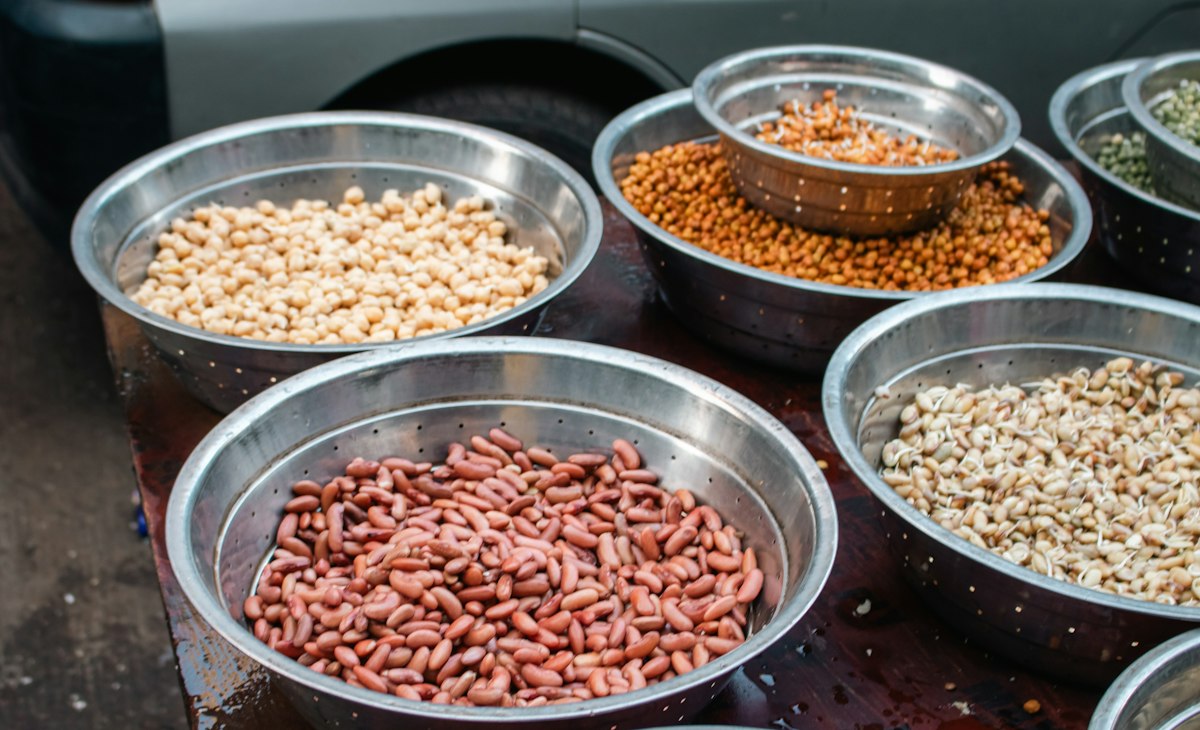
Dairy foods, meat, fish, eggs, pulses, nuts and grains all provide phosphorus. These foods also supply other nutrients, so cutting them all out is not a reasonable general-health strategy. Food phosphorus is absorbed differently depending on its source. A varied ordinary diet and an individually prescribed renal diet have different goals. The presence of phosphorus alone does not determine whether a food is suitable for every reader.
Additives are another source
Some processed foods contain phosphate additives used for texture, moisture or preservation. Ingredient names may include phosphate or phosphoric acid. The amount is not always easy to determine from a standard label. People with a prescribed phosphorus restriction can ask their renal dietitian how to compare products and whether additives are a priority. Do not change phosphate-binder medicines or their timing based on an ingredient list alone.
Use labels as a conversation tool
Choose two packaged foods you buy regularly and photograph their ingredient lists. Circle any phosphate-related terms, but keep the whole label so the dietitian can consider the complete food. Note the portion you normally use and the fresh or simpler alternative you would realistically accept. Bring questions about cost, convenience and medicine timing. The aim is a workable individual strategy when needed, rather than an internet rule that removes nourishing food groups without checking the consequences.
KNOW WHEN TO GET HELP
When self-care isn’t enough
- Do not self-treat abnormal phosphate results; contact the treating team for interpretation and medicine instructions.
In a medical emergency, call 112 in India or your local emergency number elsewhere. Get help immediately.
Sources & further reading
These sources inform this educational guide. They do not imply endorsement or clinical review of Knowledge Your Health.