THE ESSENTIALS
- Describe a change in an everyday activity, such as getting out of a chair, and how long it has lasted.
- If a test is offered, ask what decision the result would change.
- Keep the test name, unit and date together when comparing reports.
What can symptoms tell you?
Over time, too little vitamin D can soften adult bones, a condition called osteomalacia. It can cause bone pain and muscle weakness. Those symptoms are worth describing if they persist, but neither tells you your vitamin D level. Tiredness after an ordinary day is an especially poor clue on its own.
Think about what has actually changed. Feeling sleepy on the bus home is a different experience from needing your arms to get up from a chair that you used to rise from easily. Tell your clinician when the change began, whether it is getting worse and how it affects you. That gives them a starting point for an examination.
When is a vitamin D test useful?
If you feel well and a health-check package offers a vitamin D test, ask what the result would change. The Endocrine Society’s 2024 guideline, co-sponsored by the Endocrine Society of India, advises against routine screening in generally healthy adults who have no separate medical reason for testing.
A different conversation applies if you have persistent bone pain, a fracture after a minor fall or a condition that affects nutrient absorption, such as coeliac disease. Your clinician may consider a vitamin D test alongside your history and examination. For example, a previously low blood calcium result can give a clinician a specific reason to investigate even if you feel well.
Which number on the report matters?
The usual blood test for vitamin D status is 25-hydroxyvitamin D. A lab may abbreviate it to 25(OH)D. Another similarly named test, 1,25-dihydroxyvitamin D, measures the active form. Clinicians use that test for different questions, including some kidney conditions.
Keep the unit beside the result. For example, 20 ng/mL and 50 nmol/L express the same concentration. If two reports use different units, the larger number alone tells you nothing about improvement. Bring the dated reports and ask what your result means for the problem that prompted testing.
What to bring to the appointment
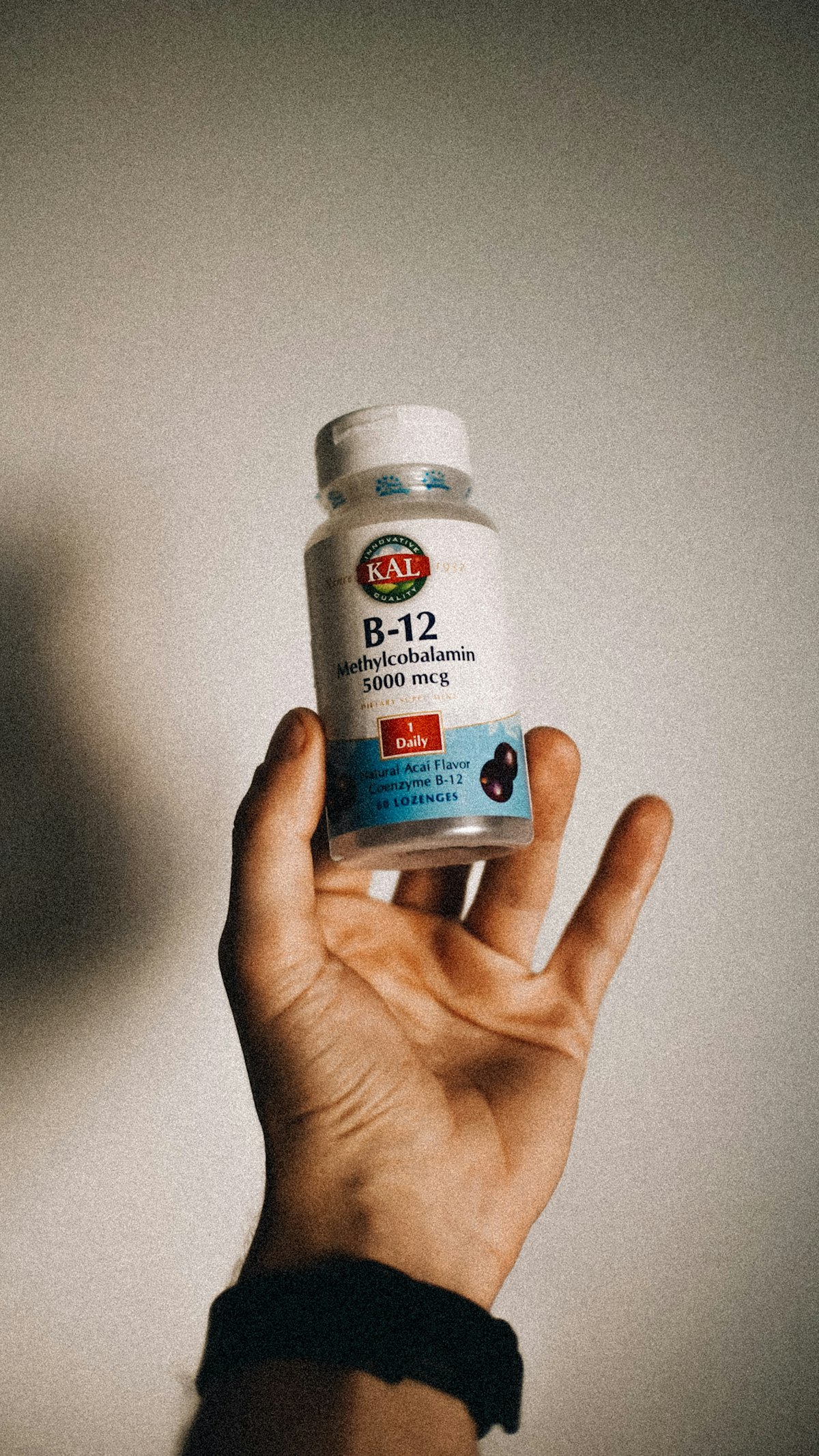
Bring a photo of any supplement label, including a multivitamin, a calcium tablet or a vitamin D sachet. Record how often you actually take each one. Products can share an ingredient, and too much vitamin D from supplements can cause harm. Ask whether to continue each product and whether a repeat test would change the plan.
If food comes up, be specific about what you eat. In India, some packaged milk is fortified with vitamin D. Check your usual packet for vitamin D on the label before counting it as a fortified food. That detail is useful to a dietitian or doctor, even if you have never had a vitamin D test.
KNOW WHEN TO GET HELP
When self-care isn’t enough
- Arrange medical assessment for persistent bone pain, worsening muscle weakness or a broken bone after a minor fall. These symptoms and injuries deserve an explanation beyond a vitamin D result.
For a medical emergency, contact local emergency services immediately. Do not wait for an online response.
Sources & further reading
These sources inform this educational guide. They do not imply endorsement or clinical review of Knowledge Your Health.