THE ESSENTIALS
- Learn device-specific limits and response instructions.
- Keep backup monitoring and failure plans.
- Review meaningful patterns rather than reacting to every number.
Know what the sensor measures
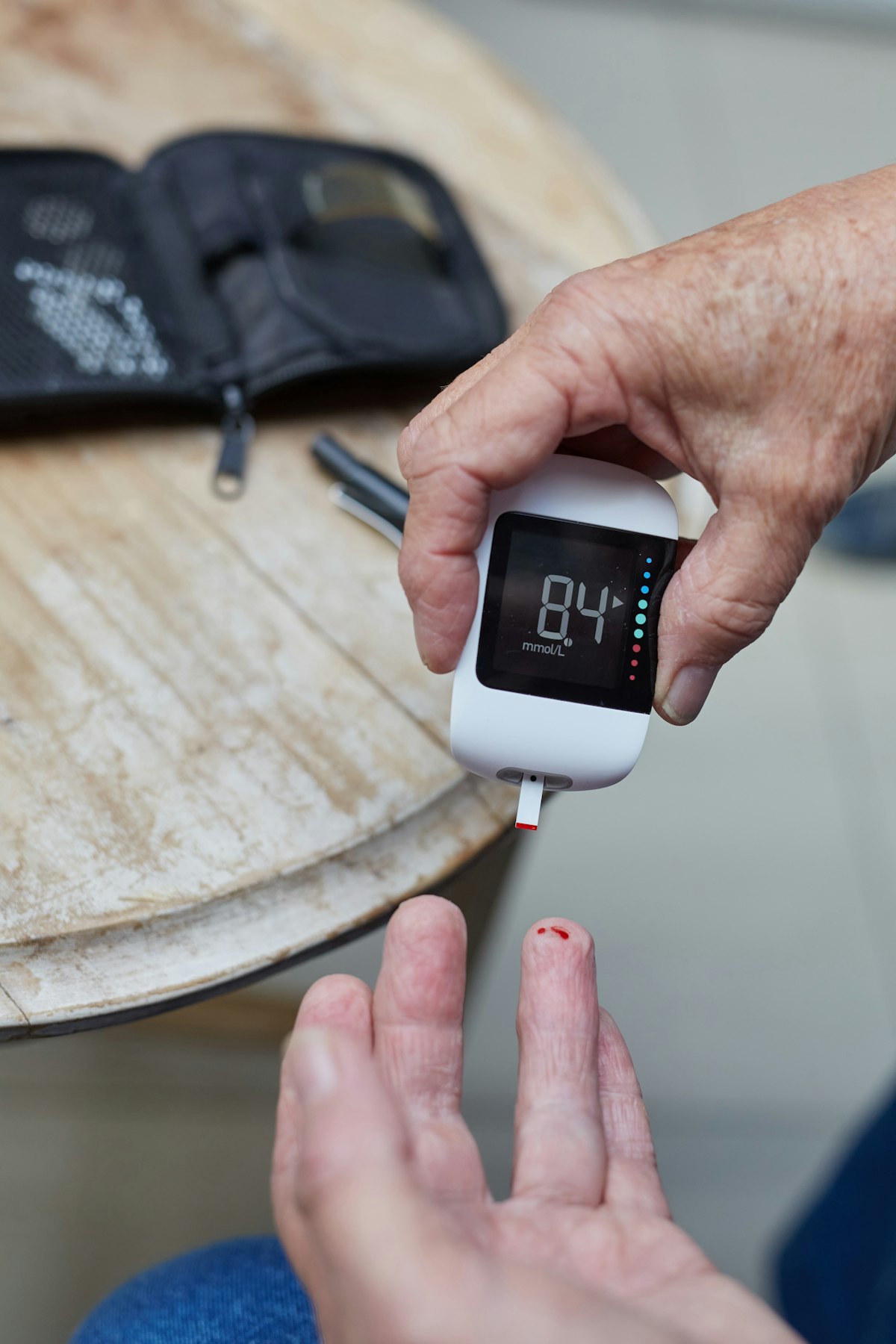
Continuous glucose monitoring uses a sensor that measures glucose in fluid under the skin. It can show patterns and trends that isolated checks may miss. Different systems display data in different ways and may send alarms or connect with an insulin pump. A sensor is a tool within a treatment plan, not a diagnosis by itself. Ask which device is appropriate, what costs or eligibility rules apply locally and what training is included.
Learn the action plan first
Ask the diabetes team how to interpret arrows, alarms and the target range agreed for you. A single unusual reading should be assessed in context, following device and clinical instructions. Learn when a finger-prick confirmation is needed, particularly when symptoms do not match the sensor. Do not repeatedly change insulin doses in reaction to every movement on a graph. The safe response depends on the device, treatment and time course.
Make alarms useful rather than overwhelming
Discuss alarm settings and what each alert means before relying on them. Explain sleep disruption, anxiety or frequent nuisance alarms so the plan can be improved. Check how to manage sensor failure, skin irritation, a lost phone or interrupted connectivity. Keep backup monitoring supplies as advised. If another person can view your data, agree what they should do and respect your preferences about access rather than treating every reading as a request for intervention.
Bring patterns to a review
Choose a few recurring questions for the appointment, such as overnight lows or a repeated change around work shifts. Note relevant meals, activity or illness briefly when useful, without turning daily life into constant logging. Ask what adjustments are supported by the pattern and when to reassess. CGM does not replace symptom awareness, sick-day instructions or urgent help. The goal is safer management and a manageable treatment burden, not an impossibly flat line.
KNOW WHEN TO GET HELP
When self-care isn’t enough
- Symptoms of severe low glucose or DKA require urgent action regardless of a reassuring sensor display.
- Repeated lows, high readings not responding to the plan or sensor-symptom mismatch needs clinical advice.
In a medical emergency, call 112 in India or your local emergency number elsewhere. Get help immediately.
Sources & further reading
These sources inform this educational guide. They do not imply endorsement or clinical review of Knowledge Your Health.