THE ESSENTIALS
- Keep the test name, units, date and preparation details with the result.
- HbA1c reflects a longer period; glucose tests measure a particular time.
- Your clinician interprets results, discrepancies and the need for confirmation.
Start with the name of the test
A blood-glucose result and an HbA1c result are related, but they are not interchangeable measurements. A glucose test measures sugar in the blood at a particular time. HbA1c, also called haemoglobin A1c or glycated haemoglobin, reflects glucose exposure over a much longer period. The test your clinician requests depends on the question being asked.
Keep the complete report, including the date, test name, result, units and laboratory reference information. Tell your clinician whether the sample was fasting and whether you were unwell. Comparing a fasting laboratory result with an after-meal finger-prick reading, without that context, can create confusion rather than show a meaningful change.
HbA1c looks back over several weeks
Glucose attaches to haemoglobin, the oxygen-carrying protein in red blood cells. HbA1c measures this glucose-related change and gives a picture of average blood glucose over roughly the previous three months. It is used in diagnosing type 2 diabetes and monitoring diabetes, but it cannot show every brief rise or low during the day.
You do not usually need to fast for HbA1c alone. Other tests taken at the same appointment may require preparation, so check the actual booking instructions. An HbA1c result is not a live reading of your glucose at the moment the sample is collected, and it should not replace home monitoring when your diabetes team has prescribed that monitoring.
Fasting glucose is a measurement at that time
A fasting plasma glucose test measures glucose in a blood sample after a specified period without food. NIDDK describes at least eight hours, but follow the laboratory or clinician instructions given to you. Ask about water and how to manage your usual medicines beforehand. Do not independently skip treatment or extend a fast to try to improve the number.
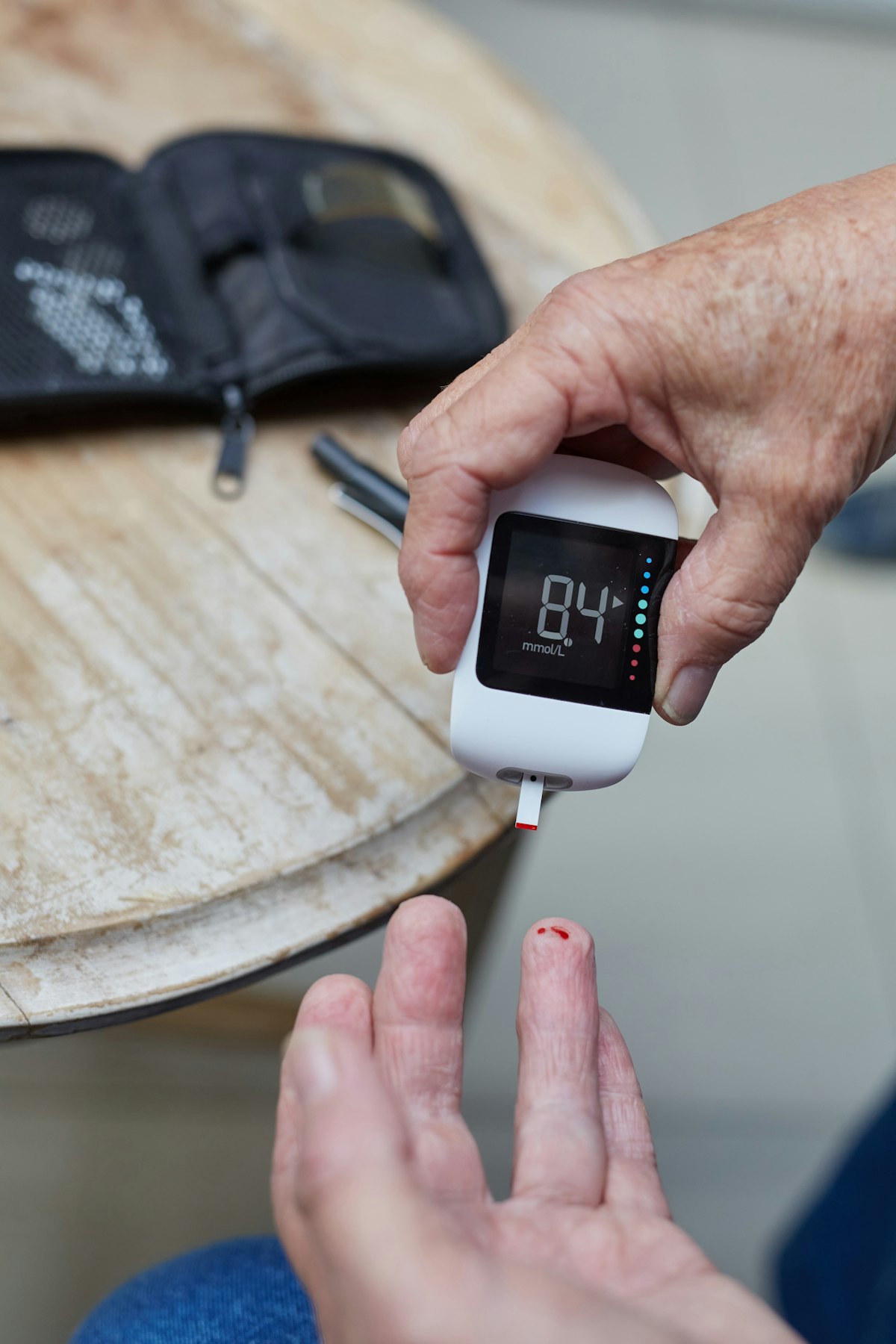
A random glucose sample is taken without waiting for a fast and may be useful when someone has symptoms. An oral glucose tolerance test is a different procedure with its own preparation and timed samples. A home meter can support an agreed monitoring plan, but an over-the-counter meter does not establish a diabetes diagnosis.
Read the units before comparing
Glucose may be reported in milligrams per decilitre, mg/dL, or millimoles per litre, mmol/L. HbA1c may appear as a percentage or as mmol/mol. These labels describe different measurements: mmol/L on a glucose report is not the same as mmol/mol on an HbA1c report. Copying only the number loses essential information.
A report may also give estimated average glucose, calculated from HbA1c. That estimate is not a new finger-prick measurement and will not match every daily reading. When sharing a result, include its full label and units. Ask your clinician to explain an unfamiliar unit or the comparison between reports rather than treating unlike numbers as a trend.
Disagreement needs explanation, not guesswork
Results can differ because they cover different time windows. Illness, stress, meals and activity can affect short-term glucose. HbA1c can also be affected by some anaemias, haemoglobin variants, recent blood loss or transfusion, kidney failure and pregnancy. Tell your clinician about these circumstances. A mismatch can prompt a repeat test, another method or further assessment; it does not by itself identify the cause.
Ask whether the test was for diagnosis or monitoring, whether confirmation is needed and when you should hear back. Diagnostic criteria and personal treatment targets serve different purposes. Bring medicines and previous reports to the discussion, and agree the next test or review date. Do not change medicines from an online table or wait for a routine result when you are acutely unwell.
KNOW WHEN TO GET HELP
When self-care isn’t enough
- Seek medical assessment for new persistent thirst, frequent urination, unexplained weight loss or blurred vision, even if you have not been diagnosed with diabetes.
- Get emergency care if suspected high glucose is accompanied by vomiting or abdominal pain, unusually fast breathing, fruity-smelling breath, marked drowsiness or confusion. Do not wait for an HbA1c appointment or laboratory result.
In a medical emergency, call 112 in India or your local emergency number elsewhere. Get help immediately.
Sources & further reading
These sources inform this educational guide. They do not imply endorsement or clinical review of Knowledge Your Health.