THE ESSENTIALS
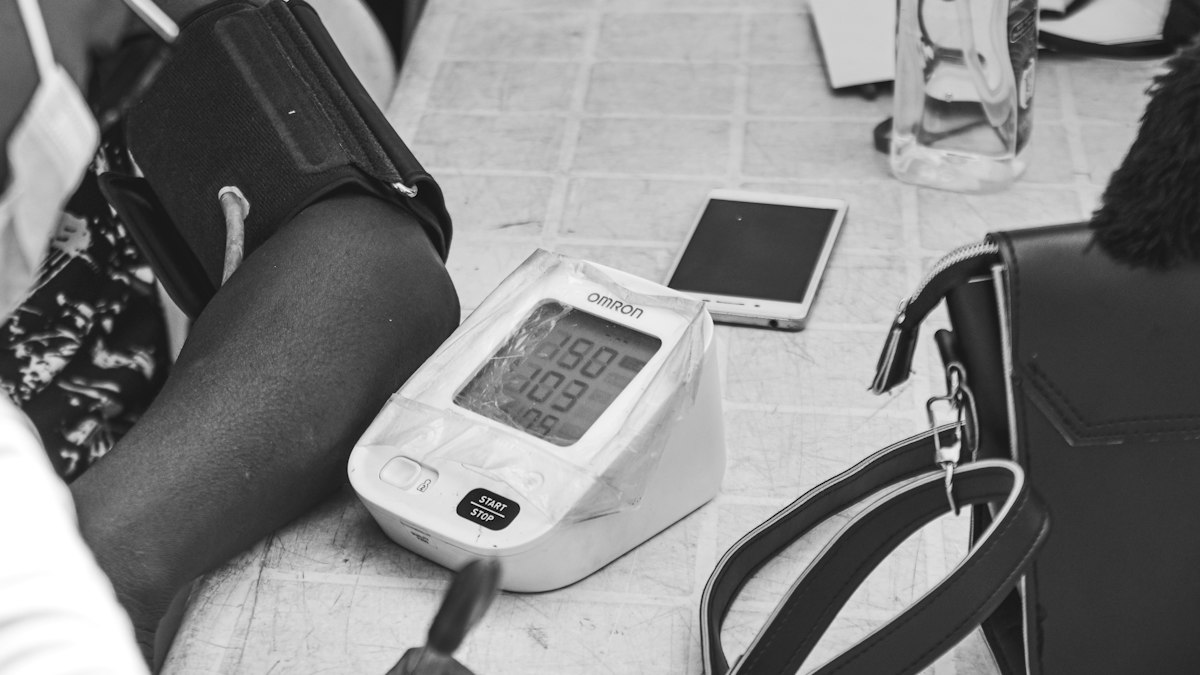
- Arm-cuff pressure does not measure lung-artery pressure.
- Ask which type and cause have been identified.
- Discuss activity, travel and pregnancy with the specialist team.
Understand where the pressure is
Pulmonary hypertension is high pressure in the blood vessels supplying the lungs. It can strain the right side of the heart and has several possible causes, including some heart or lung conditions. Breathlessness, tiredness, swelling, chest discomfort or faintness may occur, especially with activity. These symptoms do not identify the diagnosis by themselves. A normal blood-pressure reading from the arm does not rule it out because it measures a different part of the circulation.
Expect a cause-specific assessment
Tests may include an echocardiogram, lung-function testing, imaging and other specialist investigations. Some people need a catheter-based test to measure pressures directly. The team uses the results to classify the cause and severity. Ask what is confirmed, what remains uncertain and which test will answer the next question. Bring information about previous clots, heart or lung disease, medicines and changes in your usual ability to walk or climb stairs.
Treatment is not interchangeable between types
Different forms of pulmonary hypertension need different approaches. Medicines used for one group may not be appropriate for another, and oxygen or anticoagulation is prescribed only when indicated. Do not copy a treatment plan from an online community. Ask what each proposed treatment targets, how improvement will be assessed and what side effects need reporting. If medicines require special supply or monitoring arrangements, make sure the refill and contact process is workable before you leave the service.
Discuss activities and future plans explicitly
Ask about safe activity, work, travel and whether altitude or air travel requires particular planning. Pregnancy can carry major risks in pulmonary hypertension, so anyone considering it needs specialist advice before making plans. Bring emotional and practical concerns into review as well as symptoms. A simple written summary of the diagnosis, treatment, warning signs and next appointment can reduce confusion when several teams are involved. New limitations deserve discussion rather than an assumption that reduced fitness explains them.
KNOW WHEN TO GET HELP
When self-care isn’t enough
- Fainting, severe breathlessness, chest pain or collapse needs urgent or emergency assessment.
- Increasing swelling, reduced activity tolerance or new symptoms should be reported promptly.
In a medical emergency, call 112 in India or your local emergency number elsewhere. Get help immediately.
Sources & further reading
These sources inform this educational guide. They do not imply endorsement or clinical review of Knowledge Your Health.