THE ESSENTIALS
- Insulin is essential treatment for type 1 diabetes.
- Get practical device and monitoring training.
- Keep written plans for lows, illness and follow-up.
Understand why insulin is needed
Type 1 diabetes is an autoimmune condition in which the body cannot make enough insulin. Insulin allows glucose to be used appropriately, so a lack of it causes blood glucose to rise. It can begin at any age and is not simply caused by eating too much sugar. Treatment requires insulin; a diet, supplement or exercise programme cannot replace it. Ask the team to explain your diagnosis and immediate treatment plan in plain language.
Learn the daily skills with support
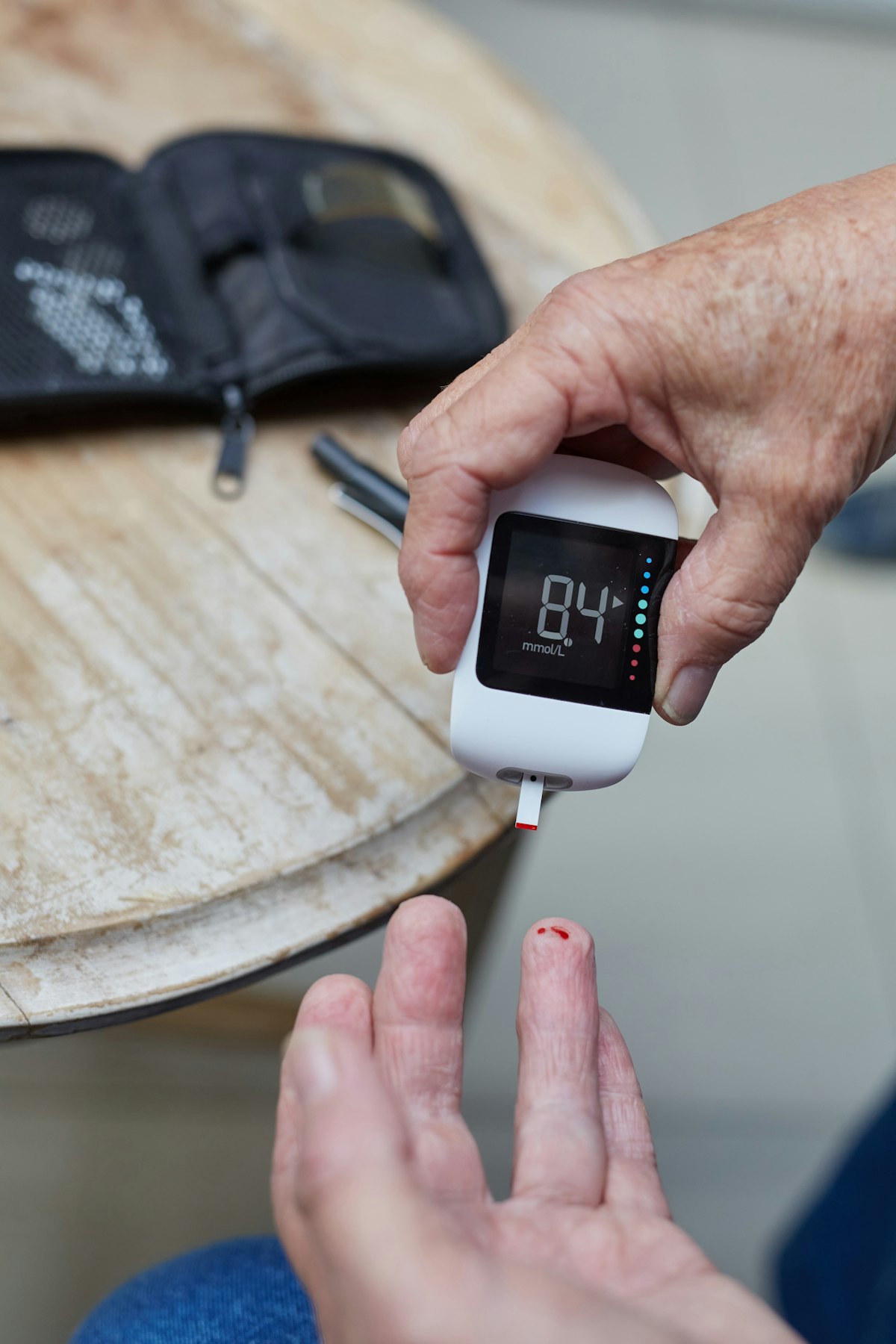
You need training in the prescribed insulin device, glucose monitoring and recognising low or high readings. Ask for a demonstration followed by a chance to practise and explain the steps back. Clarify what each insulin is for and how mistakes should be handled. Do not copy a dose from a friend or an online calculator. Your team should provide an individual plan and a reliable contact route while you are learning.
Prepare for ordinary disruptions
Meals, activity, illness, alcohol, travel and shift work can affect management. Discuss the situations that are actually part of your life rather than waiting for a problem. Keep appropriate supplies available and ask about ketone testing and sick-day rules. A written plan can help family members or colleagues support you during a severe low-glucose episode. Share only the information you want them to know, while making urgent actions clear.
Build a review routine
Follow-up covers glucose patterns, treatment burden and longer-term checks such as eyes, kidneys and feet according to local care standards. Tell the team if fear of lows, alarms, costs or food decisions are becoming overwhelming. Emotional support and structured diabetes education are legitimate parts of care. Keep a list of questions and recent patterns for appointments; the goal is safer, sustainable management rather than proving that every reading has been perfect.
KNOW WHEN TO GET HELP
When self-care isn’t enough
- Symptoms of ketoacidosis such as vomiting, drowsiness, fruity breath or abnormal breathing need emergency help.
- Unconsciousness or unsafe swallowing during a suspected low-glucose episode needs emergency care; do not give oral food or drink.
In a medical emergency, call 112 in India or your local emergency number elsewhere. Get help immediately.
Sources & further reading
These sources inform this educational guide. They do not imply endorsement or clinical review of Knowledge Your Health.